We built the tool we wished our own families had.
Foveia started with a familiar scene: a group text, forty messages deep, and no one quite sure who was driving Mom to her appointment tomorrow.
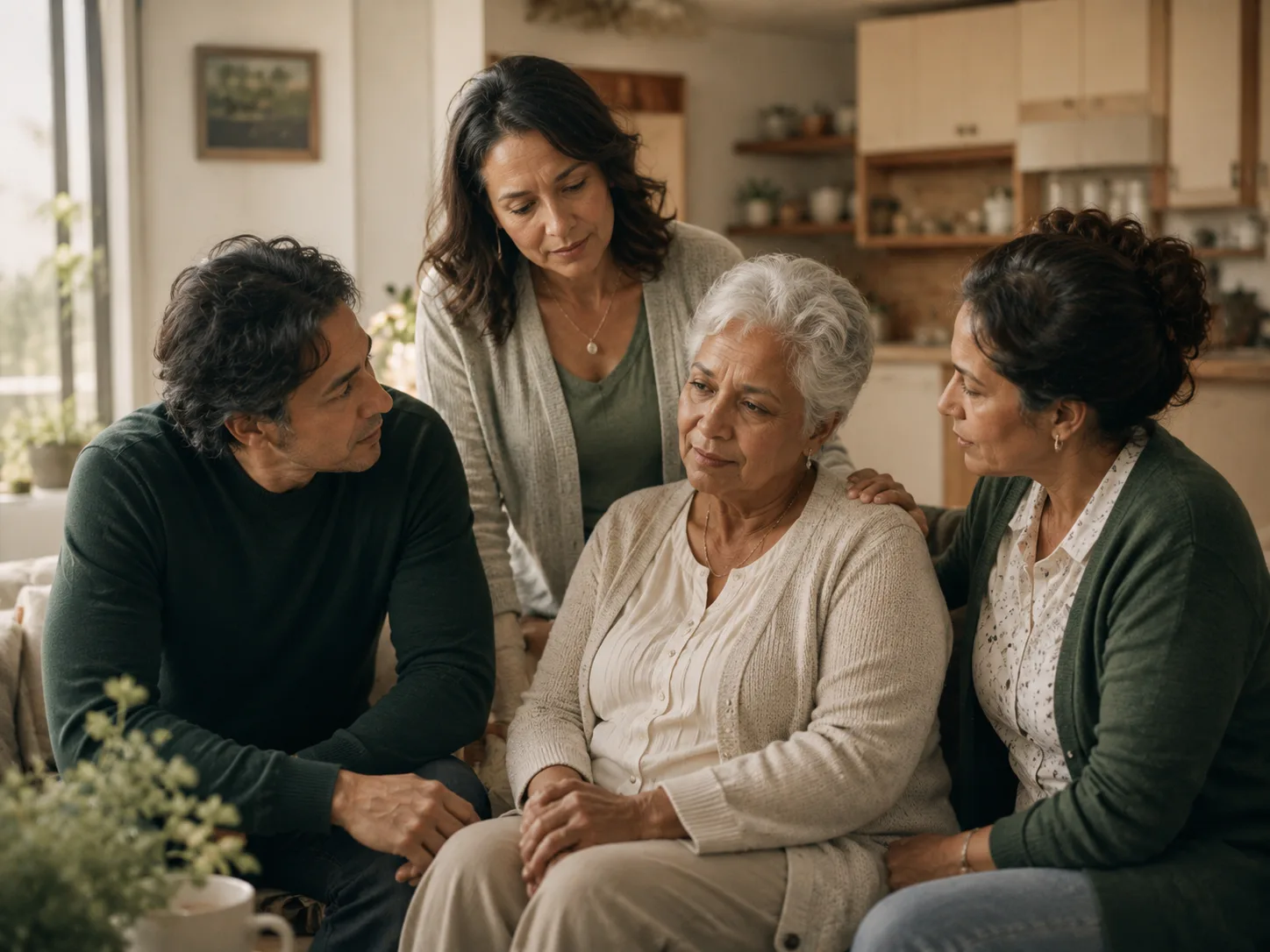
Caring for an aging parent is one of the most loving things a family does — and one of the most disorganized. Not because anyone is failing, but because the tools we reach for were never built for it.
Group texts bury decisions. Spreadsheets go stale. Clinical apps are built for providers, not for the daughter three states away who just wants to know how Mom's week went. So coordination falls back on memory and whoever lives closest — until that person is quietly carrying everything.
What we believe
Coordination is the real problem. Families rarely lack love or effort. They lack a shared, trustworthy record of what happened and what needs attention next. That's the gap Foveia fills.
Software should not pretend to be a clinician. We made a deliberate choice early: Foveia does not diagnose, score, summarize, or predict. There is no AI guessing in the loop. When something is flagged for attention, it's because an explicit rule you can read said so. That restraint is the feature.
Privacy is a precondition, not a setting. A care log is intimate. Roles and scoped access are built into the foundation so a trusted helper can pitch in without being handed the family's whole private history.
What Foveia is — and isn't
Foveia is a structured care log for families: remote and in-person check-ins, shared concerns, appointments, tasks, and clean helper handoffs, all on one timestamped timeline. It is not a medical device, an EHR, or a monitoring system. It's a calm, shared place for the people doing the coordinating.
If that sounds like what your family has been improvising in a group chat — that's exactly who we built it for.
— Connor Hickey, Founder of Foveia


Help us make family caregiving a little less heavy.
Start a care circle today, or tell us what your family needs — we read every message.