Preventing falls at home: a room-by-room safety checklist
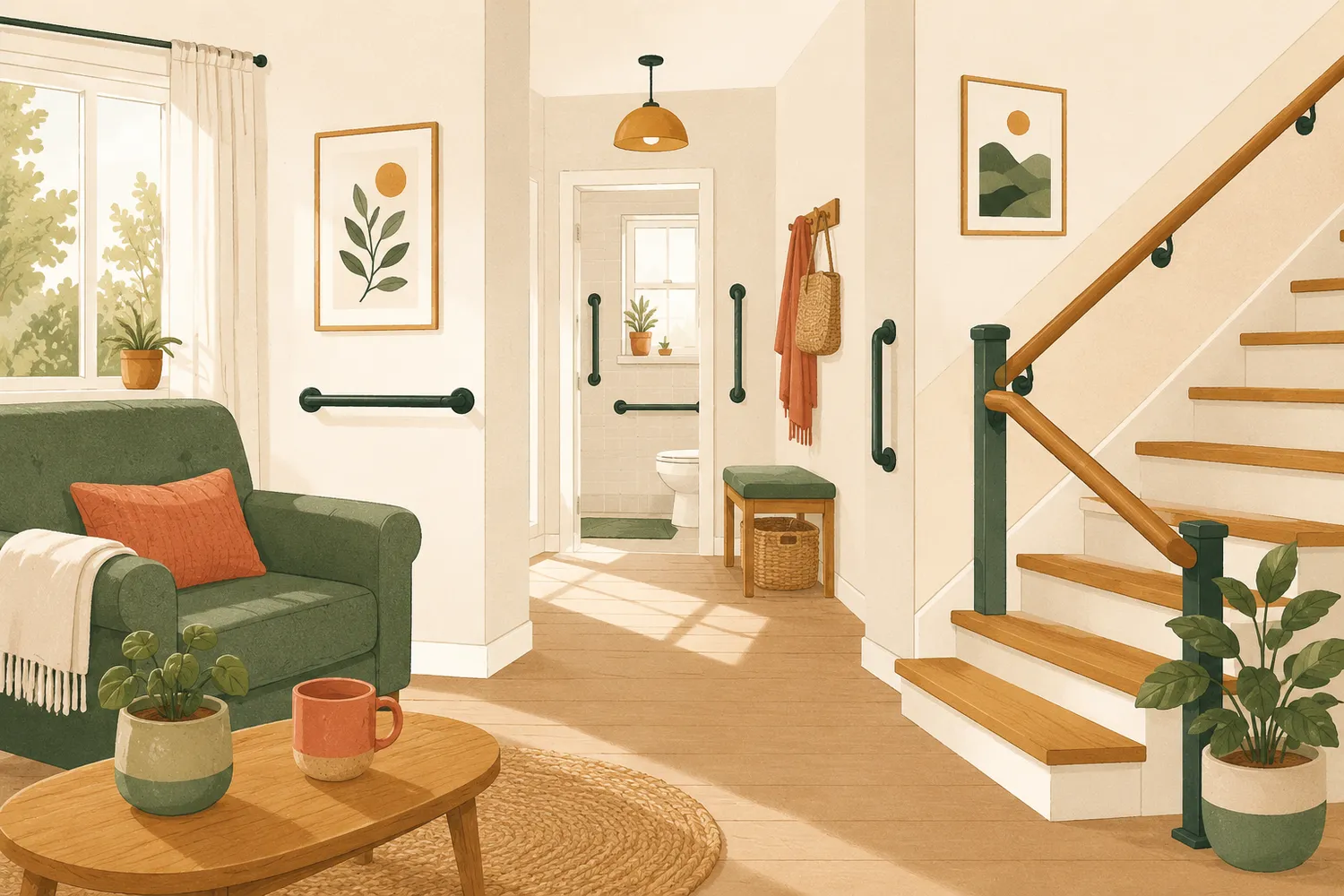
A single fall can change everything — a hospital stay, a loss of confidence, a sudden jump in the level of care needed. The good news is that most home fall hazards are simple and cheap to fix once you know what to look for.
Here's a room-by-room walk-through you can do on your next visit.
This is a home-safety guide, not medical advice. Concerns about balance, dizziness, or medication side effects should go to a healthcare professional — they're a major factor in falls.
Whole-home basics
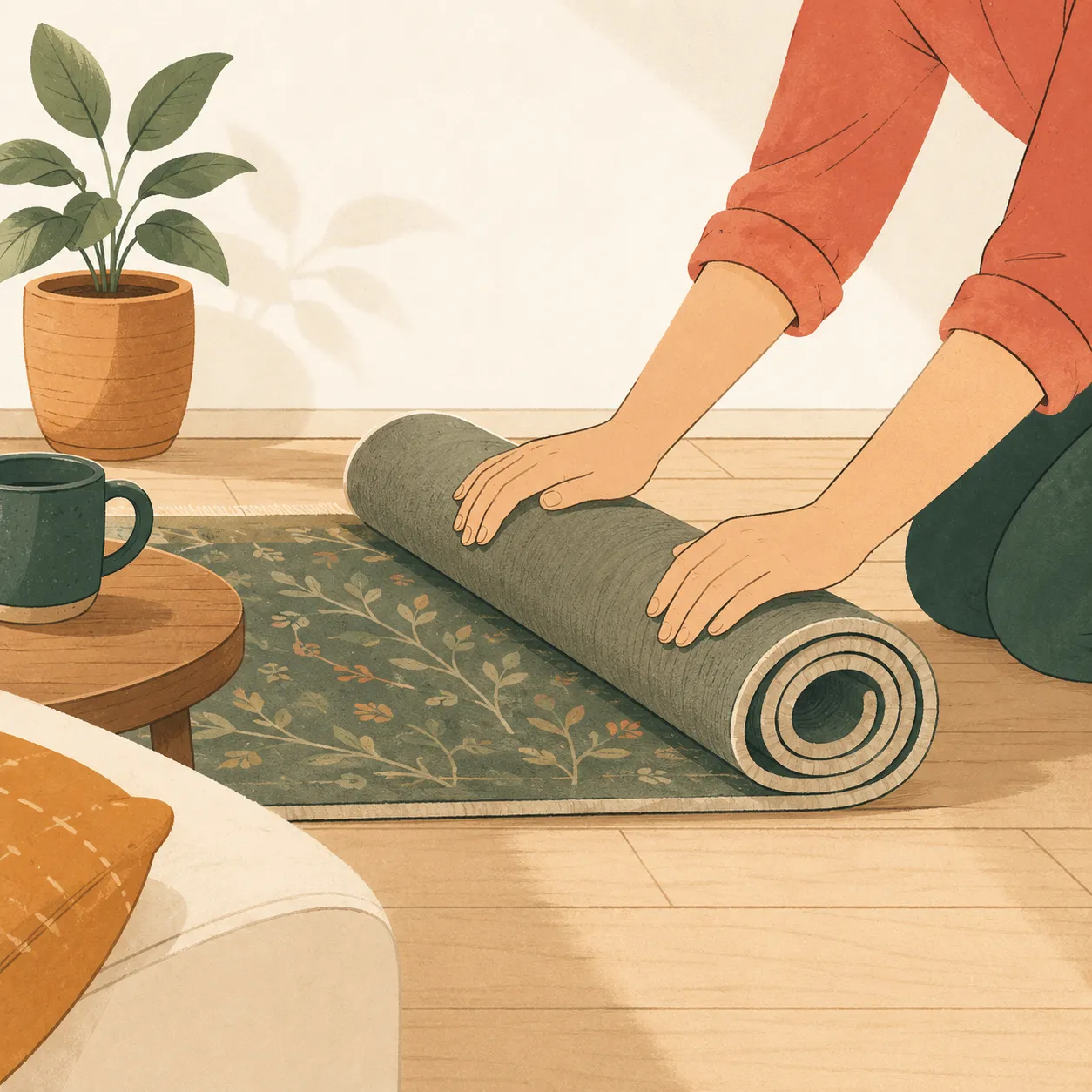
- Remove or tape down loose rugs and runners
- Clear walkways of cords, clutter, and low furniture
- Add nightlights along the path from bed to bathroom
- Make sure light switches are reachable at room entrances
- Check that frequently used items are between knee and shoulder height (no step stools)
Stairs & hallways
- Secure handrails on both sides, full length
- Good lighting top and bottom; switches at both ends
- Mark step edges if vision is a concern
- Repair any loose treads or carpet (the classic "loose stair rail" problem)
Bathroom (the highest-risk room)
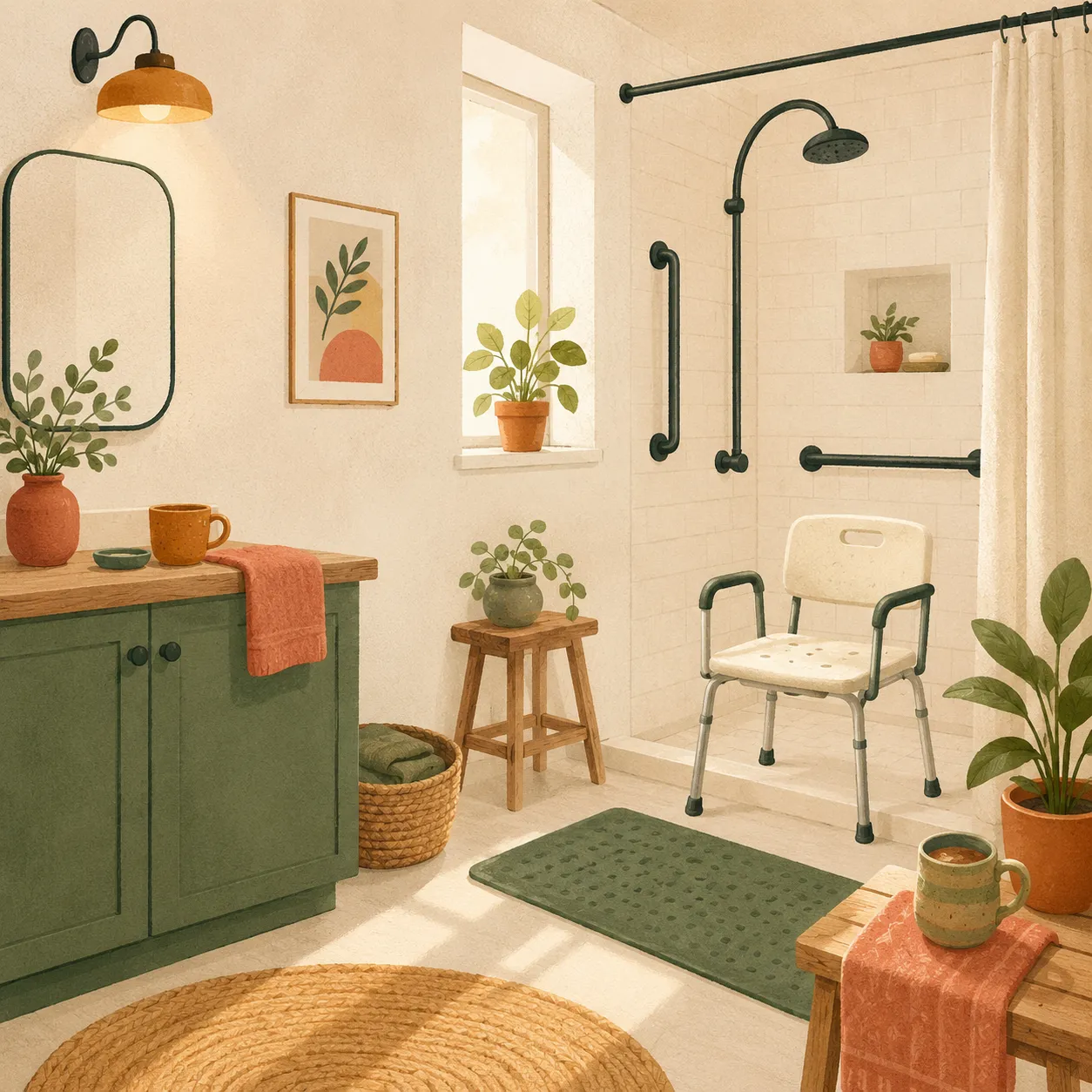
- Grab bars by the toilet and in the shower/tub (not towel racks — real bars)
- Non-slip mat or strips in the tub/shower
- A shower chair and handheld showerhead if standing is tiring
- Raised toilet seat if getting up is hard
Bedroom & kitchen
- Bed at a height where feet reach the floor easily
- A lamp and phone within reach of the bed
- Everyday kitchen items on reachable shelves
- Prompt cleanup of spills; sturdy, non-slip footwear indoors
Turn the list into action — with owners
A walk-through generates a to-do list — grab bars to install, a rug to remove, a rail to fix. The failure mode is that everyone notices the hazards and then nobody owns the fixes. Assign each item to a person with a due date, the same way you would any concern in a care plan.
This pairs naturally with your in-person check-ins — home safety is one of the standard things to glance at every visit — and with watching for the broader signs a parent needs more help.
Foveia lets you log a hazard as a shared concern with an owner and a due date, so "the bathroom needs a grab bar" actually gets done — not just noticed. Start a care circle and make your next visit count.
Free: the room-by-room home safety checklist
A printable, room-by-room home safety audit — lighting, rugs, rails, bathroom, stairs — so nothing gets missed on the next visit.
Keep reading
10 signs your aging parent may need more help at home
Subtle changes are easy to miss between visits. Ten everyday signs that an aging parent may need more help at home, and how to track them as a family.
Aging in place vs. assisted living: how to decide as a family
Should your parent stay home or move to assisted living? A clear, family-first framework for weighing safety, cost, care, and connection.
How to create a care plan for an aging parent
Use this aging parent care plan template to assign owners, organize check-ins, track documents, and keep the family care record current.