10 signs your aging parent may need more help at home
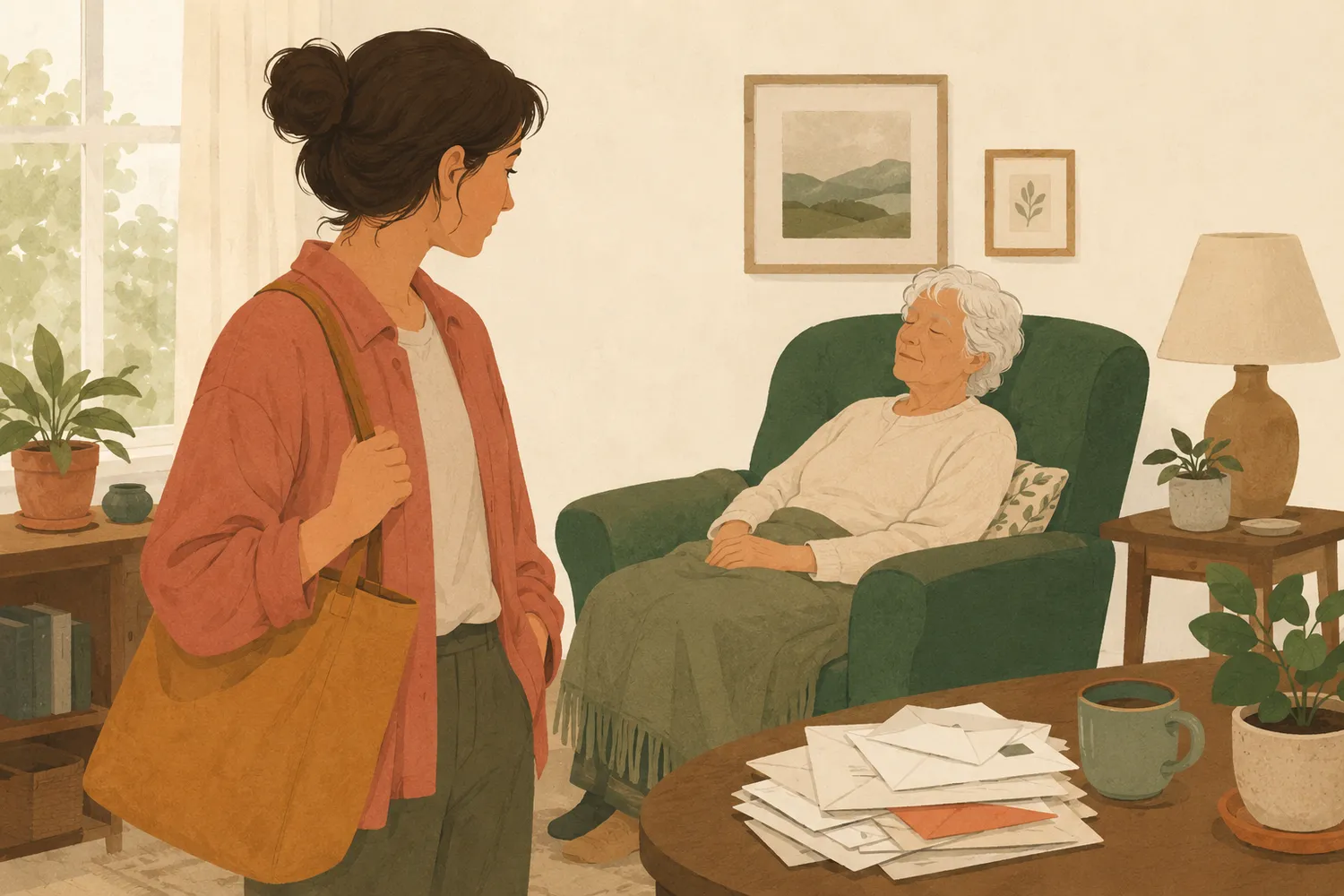
The hardest part of helping an aging parent is often just noticing — especially when you visit every few weeks and they're on their best behavior while you're there. Decline tends to be gradual, and the early signs hide in ordinary moments — which is why a holiday visit, when the whole family is finally in one place, is so often when they become impossible to ignore.
Here are ten things worth paying attention to. None of them is a diagnosis; together they're a prompt to look closer and start coordinating as a family.
This is a coordination guide, not medical advice. If you notice changes that concern you, talk to a qualified healthcare professional — and in an emergency, call your local emergency number.
In the home
- Unopened mail or unpaid bills piling up. Often one of the earliest signals that day-to-day management is slipping.
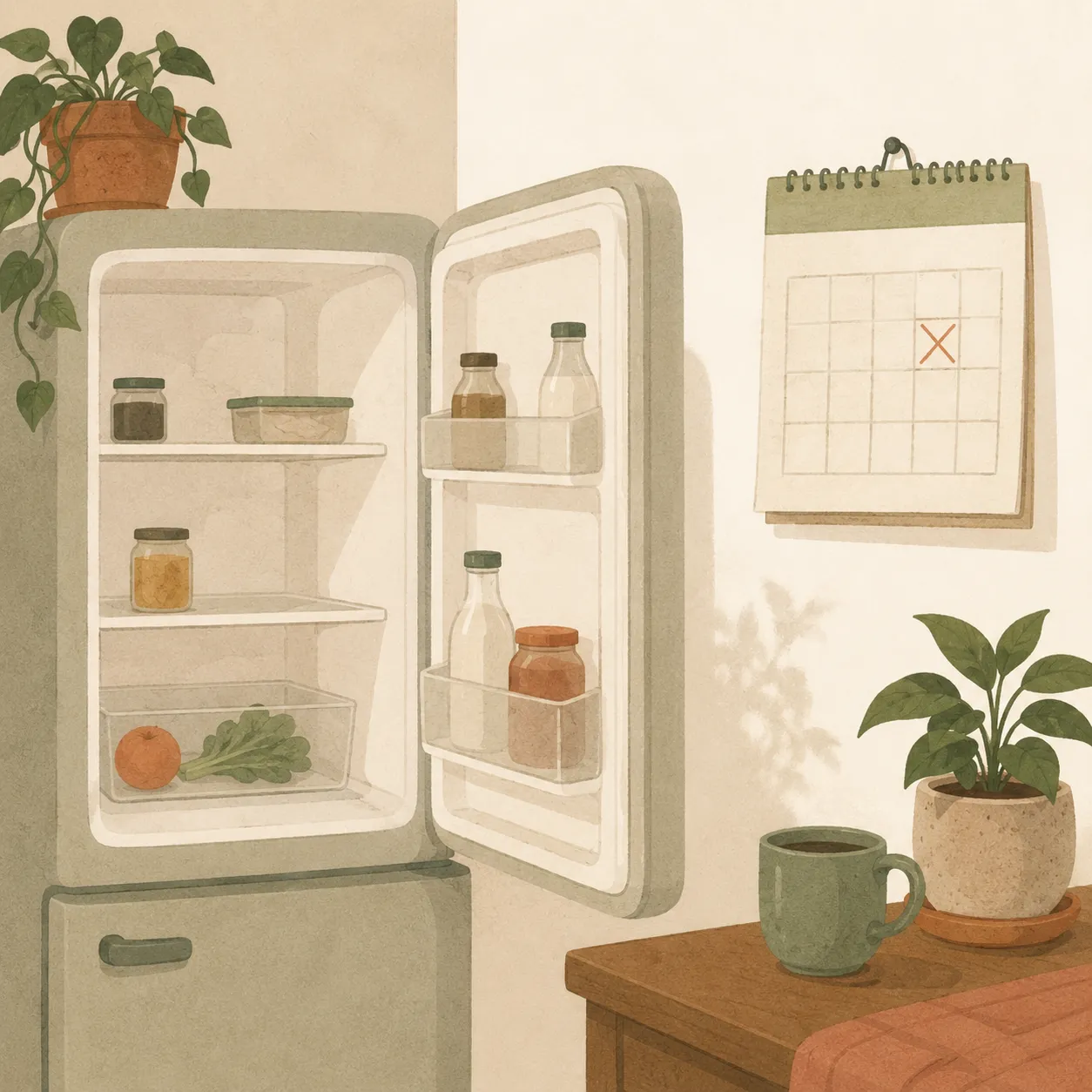
- Expired food, or a fridge that's emptier (or fuller of forgotten leftovers) than usual. Changes in eating and shopping show up here first.
- A less tidy home than they'd normally keep. A noticeable drop from their own baseline matters more than any absolute standard.
- Scorch marks, or signs the stove was left on. Worth a quiet check of kitchen safety.
In their body and habits
- Unexplained weight loss — clothes fitting differently, a thinner face.
- New unsteadiness — furniture-cruising, gripping rails, or reluctance to walk that wasn't there before.
- Wearing the same clothes repeatedly, or a change in grooming. A shift from their usual routine, not a one-off.
In conversation

- Repeating stories or questions within the same conversation.
- Missing appointments or muddling medications — a refill that lasted too long, or a pillbox that's out of sync.
- Withdrawing from friends, hobbies, or activities they used to enjoy.
What to do with what you notice
One observation is just a data point. The power is in the pattern — and patterns only appear when the family pools what each person sees. The remote sibling who calls on Sundays, the nearby one who drops by midweek, the neighbor who waves over the fence: each holds a piece.
That's exactly why a shared, structured check-in beats scattered impressions. When everyone logs the same handful of things consistently (see our check-in checklist), a slow drift — eating a little less, a little more confusion in the afternoons — becomes visible instead of being explained away one visit at a time.
If several of these signs are showing up, it's usually time for a calm family conversation about adding support — which we cover in how to talk to your aging parents about accepting help, and more broadly in how to coordinate care for aging parents.
Frequently asked
What are the signs an aging parent needs more help at home?
Watch three areas: the home (piled-up mail or unpaid bills, expired food, a less-tidy home, signs the stove was left on), the body and habits (unexplained weight loss, new unsteadiness, a drop in grooming), and conversation (repeating stories or questions, missed appointments or muddled medications, withdrawing from people and hobbies).
How do I tell normal aging from something more serious?
Any single change can be ordinary. The thing to act on is a pattern — several signs together, or a clear drift from your parent's own baseline. If what you're seeing concerns you, talk to a qualified healthcare professional; this is a coordination guide, not medical advice.
How can siblings track these signs together?
Decline hides between visits, so pool what everyone sees. Agree on a short, consistent check-in that each person fills in the same way, so a slow drift becomes visible across the family instead of being explained away one visit at a time.
Foveia gives your family one place to notice these changes together — so nothing important gets written off as "probably nothing."
Free: the aging-parent check-in checklist
The exact questions to ask every time — remote and in-person — as a clean one-page PDF you can print or share with the whole family.
Keep reading
Preventing falls at home: a room-by-room safety checklist
Falls are the leading home risk for older adults — and most are preventable. A practical, room-by-room checklist for making an aging parent's home safer.
Aging in place vs. assisted living: how to decide as a family
Should your parent stay home or move to assisted living? A clear, family-first framework for weighing safety, cost, care, and connection.
How to create a care plan for an aging parent
Use this aging parent care plan template to assign owners, organize check-ins, track documents, and keep the family care record current.